
Workplace warning stripes
A Cabinet Office press officer’s email signature raises a question the Government should answer: when does a “personal choice” become an official political message?
This week pronouns were regurgitated across our timelines when Sky News technology correspondent, Rowland Manthorpe, shared a screenshot of an email from a she/her press officer at the Cabinet Office.
Manthorpe posted:
“Just got an email from a press officer at the Cabinet Office who has her pronouns in her email signature along with a link to an article saying we should all be doing the same thing.
“Is this the official position of the government? Because if so, I think we should know.”
The linked article, by American trans activist Max Masure, explains that “normalizing the usage of pronouns is a concrete, impactful way to show your advocacy for LGBTQIA+ individuals”.
I emailed the Cabinet Office for clarification about their stance but I didn’t receive a response; I assume the communications team is out of WiFi range on a train to Manchester. Guidance from 2024 says civil servants should not promote views that could reasonably be seen as partisan or political. Pronouns and titles in email signatures, it adds, must be a “personal and voluntary decision”, with no one treated adversely either way.
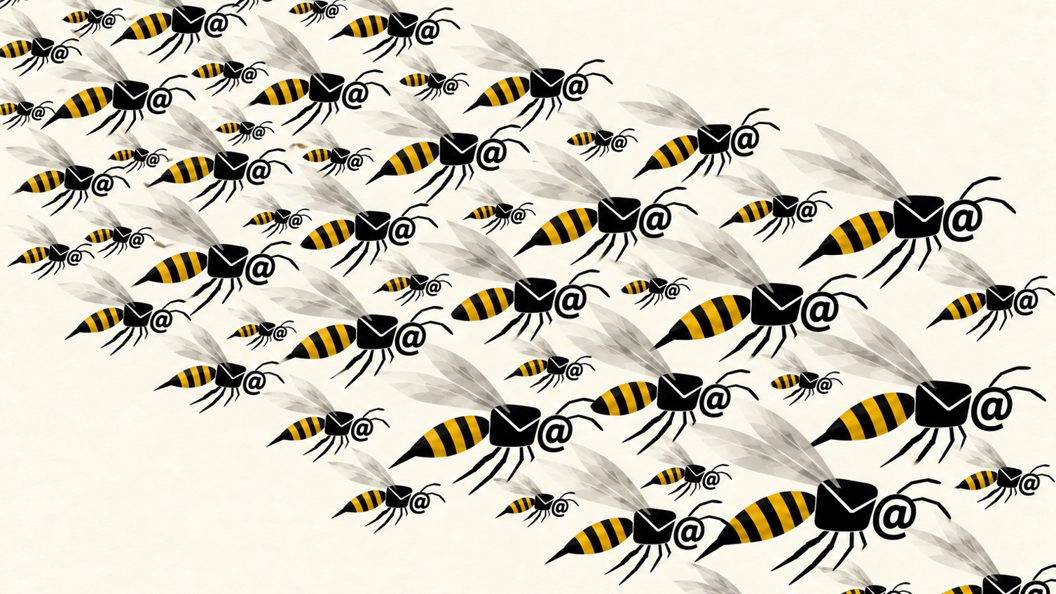
Contrary to popular TERFy opinion, I think pronouns in email signatures can be immensely helpful. They are the corporate equivalent of an insect’s yellow-and-black warning stripes: a handy signal that the person you’re dealing with may be a venomous grievance-monger, or simply a bit thick. Either way, the person and organisation you’re dealing with ought to be viewed with suspicion.
Still, there is something unsettling about receiving an ideological nudge from someone writing on behalf of an organisation funded by the public. Earlier this year, I complained about Green councillor Helen Elliott-Boult after she publicly compared my observation that there are two sexes to Holocaust denial. Pleasingly, she was sent for re-education on the Equality Act and relevant case law. But the Stroud District Council employee handling my complaint, to whom I had to give my full name and address, had her pronouns in her signature.
Perhaps this she/her council worker has no idea that trans activists are the most aggressive misogynists in Britain. She may not know that I’ve spent nearly a decade receiving unhinged threats. Assuming she gets her news from Bluesky or the BBC, she may never hear that men who identify as trans are more likely to perpetrate violence than to be victims of it. Nor will she know that men in British prisons who identify as trans are substantially more likely than their fellow lags to have convictions for sexual offences.
Women across the country share this unease. Local feminists still run into the pronoun problem when asking gyms whether their changing rooms are single-sex, asking NHS trusts about their policies, or asking MPs and councillors to represent them.
Belatedly, some organisations are realising that these seemingly innocuous words are not neutral. In parts of big business, the she/her, he/him tide is beginning to ebb. It may take longer for the message to reach councils, parish councils and smaller organisations here in the UK.
It is progress that Sky News’s Rowland Manthorpe felt able to challenge the Cabinet Office publicly. But decision makers in the civil service must not be allowed to dodge their responsibility by hiding behind employees’ choices. Pronouns are political, and ignorance is no excuse for letting trans activists and their befuddled “Be Kind” accomplices foist their niche opinions on the taxpayers who fund them.
So if an email lands in your inbox with pronouns in the signature, include a link to this article in your email signature, and invite your correspondent to “educate” them/theirselves.