
The Sacrificial Sex
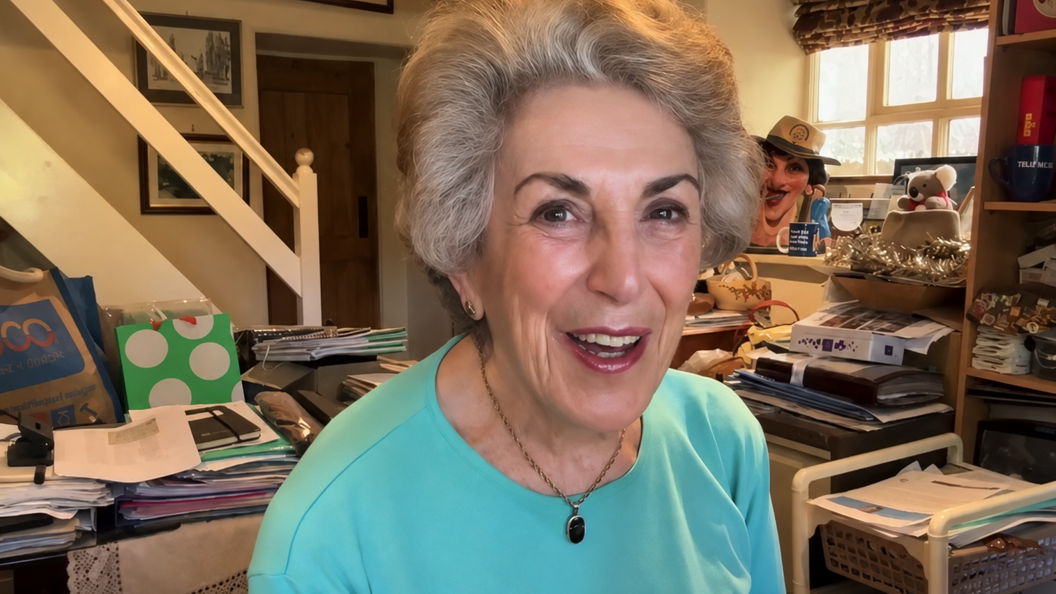
What might men who’ve just been deposited in the English countryside need? Work? Food? Accommodation? According to Edwina Currie, “The obvious thing that 1,200 young men are going to need in the middle of a village like Little Piddington is a brothel.”
In an interview with Times Radio the Tory grandee sought to show just how unflappable and pragmatic she is by suggesting that newly arrived male migrants ought to be offered a sacrificial class of women. It would, after all, be a boon to the local economy.
The inference was clear, without brothels middle class women and girls might be at risk of sexual assault.
But men’s dicks do not drop off through lack of intercourse, nor do their balls spontaneously combust. Wherever they come from, men possess free will. Each can make a moral choice: not to rape, sexually assault or harass women. To understand that we women are human beings not receptacles for their sexual appetites.
Meanwhile, choice is rare for women in the sex trade, many of whom have made similar perilous journeys to the men Currie thinks they should ‘service’. Some may make decisions; but choosing the least worst option should not be confused with the freedom to choose.
Two decades ago, it was estimated that around 70 per cent of women in prostitution had spent time in local-authority care. They belong to the same class of women Britain has repeatedly failed: vulnerable girls and young women whose exploitation matters considerably less to the establishment than the sensitivities of the men exploiting them. These are the disposable women.
Currie might be an arch-Conservative, but her contempt for women would sit comfortably among old-school lefty misogynists like the bullying Billy Bragg or the newer kefir-drinking, keffiyeh-sporting pricks like Dale Vince.
Across the political divide, the same ugly and largely unexamined assumption persists: the interests of men, whether migrant men or men in frocks, are sacrosanct. A subscript running through our culture is that women are a service caste, expected to accommodate men’s demands by fluffing their egos and satisfying their ids.
This is why, when “progressive” brands such as Unilever-owned Ben & Jerry’s go shopping for a cheap moral cause, their social-media managers post asinine warnings, as they did this week, that “legal protections for trans rights are being weakened”. Tellingly, women’s legal, personal and physical boundaries don’t merit a mention.
In 2019, Caroline Criado Perez documented in Invisible Women how a world designed around the male default renders women’s needs invisible. The past few years have seen the same dynamic play out in politics, with a brutal conclusion: our feelings, our bodies and our rights are not merely invisible but irrelevant. Perhaps the Pulitzer-winning misogynist Andrea Long-Chu was right all along? Maybe “fucked” is what a woman is.
Over the past decade, women at work have discovered that the “inclusive workplace” has limitless reserves of compassion for the man demanding admission to their spaces, and none for the woman with the self-respect to tell him to sod off. Just ask Maya Forstater, Allison Bailey, Jo Phoenix, Roz Adams or the Darlington Nurses (to name but a few).
Depressingly, those most eager to send outspoken women to re-education have often been other women, able to summon empathy for men but precious little solidarity with their own sex. There is, after all, far more kudos in centring men than standing beside an unfashionable woman.
This inversion allowed Mridul Wadhwa, a man, to rise to the top of Scotland’s women’s sector, becoming chief executive of Edinburgh Rape Crisis Centre. Wadhwa notoriously suggested that female survivors uncomfortable around men in rape-crisis services should “reframe” their trauma, warning that “bigoted” clients could expect to have their beliefs challenged. All the while, women who called themselves feminists metaphorically cupped his balls.
Wealthy women, like Currie or the vacuous slebs who want to ‘protect the dolls’, can buy their way out of the indignity of mixed sex changing rooms and the fear of men being on women’s wards. But most of us cannot. Privacy, like so much else, becomes something affluent women can purchase while poorer women are lectured about sharing. And we are continually told that to be good citizens, women must applaud our own dispossession as kindness, as progress.
Women have spent centuries fighting to be recognised as fully human rather than as wives, wombs, carers, sexual outlets or supporting characters in men’s lives. Yet whether pragmatic Tories or bleeding heart lefties: when somebody has to give way, it should be a woman. We are disposable.
This is the mindset, and the establishment, TERF Times exists to fight.