
The bill that bans reality
The Government claims its Conversion Practices Bill protects legitimate therapy. In reality, it risks making honest exploration impossible, writes counsellor Lucy Beney
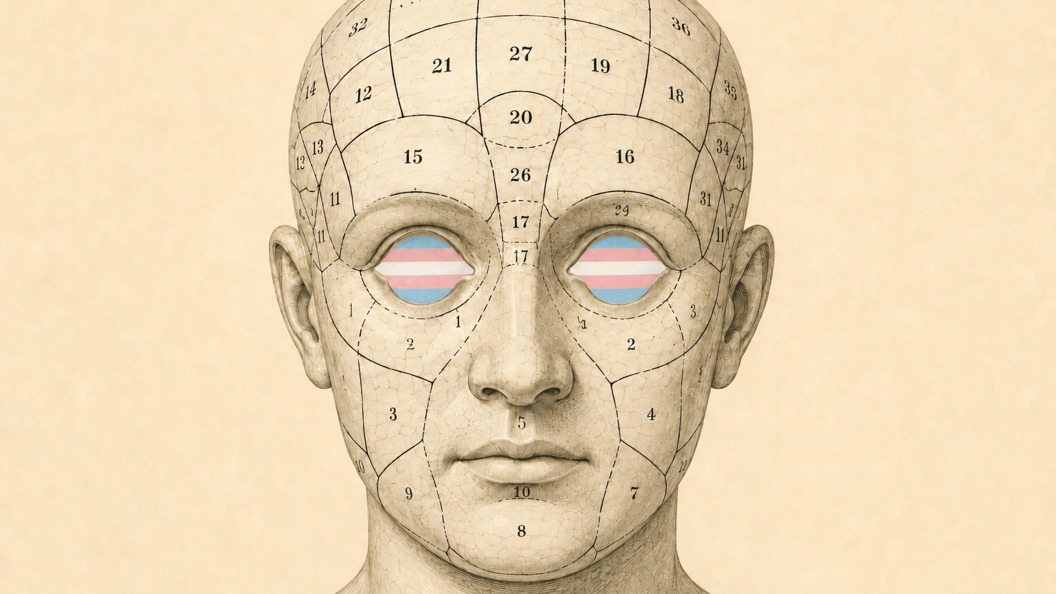
Why would therapists be concerned about a draft bill outlawing ‘conversion practices’ when there is an apparent exemption for the therapeutic situations in which healthcare professionals work? For years, there has been talk of a conversion therapy bill, so why aren’t practitioners in the psychological professions sighing with relief and continuing with business as usual?
There are two main reasons.
First, as the draft bill stands, nobody will need to police therapists. Chilling restrictions on practice will happen well upstream of the counselling room or psychologist’s office. If parents, teachers, youth workers, religious leaders and even concerned friends can be criminalised for not immediately buying into a fashionable fantasy, albeit one born of very real distress and confusion, who is going to suggest visiting a therapist?
Secondly, the professional bodies which set standards of practice for the psychological professions are true believers in the cult of gender identity ideology, deflecting any legitimate criticism by citing careless commitment to ‘diversity and inclusion’. This entirely avoids acknowledging that not all diversity is good, not everything should be included, and safeguarding and child protection demand clear-eyed and courageous discernment. Ethical frameworks for practice are currently being rewritten, and it is only a question of time before anyone practising an open-minded, traditional form of therapy will be regarded as falling below ‘standards reasonably expected’. At that point, a therapist will no longer be protected from possible prosecution.
In future, anyone who even suggests that a gender-confused child might benefit from therapy – a chance to talk rather than being rushed to a gender clinic – could be accused of encouraging or assisting someone in a ‘conversion practice’. This will certainly be the case if the person in question holds perfectly legal sex-realist views and their intent is simply to challenge the young person’s internal narrative with a degree of healthy reality.
The poet T. S. Eliot reminded us that ‘humankind cannot bear very much reality’. Traditionally, however, the job of a therapist was to help an individual come to terms with the reality of suffering and distress in their life and so find a better way forward. Inevitably, this involves some exploration of that person’s life and times to facilitate understanding and enable sought-after change to occur.
Too often, behind gender distress lie developmental trauma, domestic violence, exposure to pornography, same-sex attraction, issues around neurodivergence and social contagion – sometimes a mixture of all of the above. We betray young people when we shut down discussion of these factors and effectively say that some of their most painful formative experiences are simply not relevant.
After all, good therapy offers an opportunity to tell a story: one which includes the meaning that the person has drawn from these events and emotions, and their subsequent impact upon relationships, beliefs and that individual’s ability to function in the world. Therapy is no longer therapy when this exploration is sidelined and replaced instead with an assumption based solely on an ideologically driven system of ‘over-valued beliefs’.
Astonishingly, and quite unethically, neither the draft bill nor professional membership bodies make any distinction between working with adults and children. A long-established understanding of child development is entirely ignored, and no account is taken of the ongoing, organic process by which identity emerges and inevitably changes over time. Therapists will no longer be able to draw on this understanding, even when working with children who are often very certain who they are – until suddenly they are not.
The bill is also predicated on the idea that ‘no gender identity is inherently preferable to any other’, entirely overlooking the shocking price so often paid by those encouraged to make irrevocable changes to their bodies and become medically dependent for life as they seek to live as a cosmetic approximation of someone they can never be. All professionals have a responsibility to highlight this.
The truth is that no child is ‘born in the wrong body’. We cannot separate body, mind and spirit. Disowning the body, wishing to harm it or attempting to identify out of it is always a sign of deep and ongoing distress. It is always a red flag and a safeguarding issue. It indicates that things have gone so catastrophically wrong that a young person no longer believes they can continue as they are. In order to relieve their suffering, they feel they need to become someone, or even something, else. This is not possible, and it is deeply irresponsible for any adult to suggest otherwise.
Instead, it is the role of therapists to create the space for an understanding which can lead to a synthesis of body, mind and spirit, and to a way of living at peace with the one reality it is impossible to escape: the human body. This bill poses a serious threat to that work.
For more information about the fight by mental health professionals against the Conversion Practices bill visit Thoughtful Therapist and Save Mental Health.