
Safeguarding must come first
The Draft Conversion Practices Bill risks forcing social workers to enforce unevidenced beliefs rather than exercise professional judgement, writes EBSWA chair Maggie Mellon
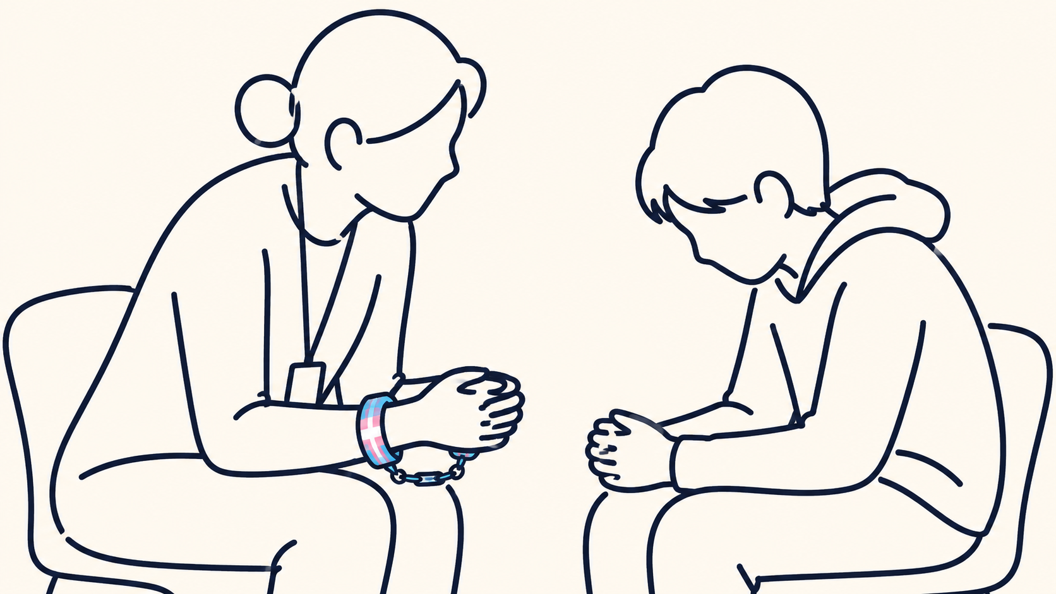
At the Evidence-Based Social Work Alliance, we believe that policy on sex and gender must be grounded in evidence. That is why we oppose the Conversion Practices Bill, which rests on a sweeping and unevidenced assumption: that every person, including every child, possesses a “gender identity” which may differ from their sex, and that failing to affirm it can cause harm.
Yet “gender identity” is defined neither in the Bill nor elsewhere in law, and the conduct it seeks to criminalise remains unclear. Its impact assessment says abuse may include conduct that “degrades or manipulates an individual”, or controls their movements or finances, whether alone or in combination. If enacted, these vague provisions could criminalise basic professional practice.
But coercion, assault and controlling behaviour are already covered by existing law. What evidence is there of harmful practices which are not yet criminalised?
There is no evidence that everybody possesses a gender identity. Nor is there evidence that helping a child or vulnerable adult to understand and accept the material reality of his or her sex causes harm.
There is, however, growing evidence of the harm that can follow when children are encouraged to believe they have a gender identity and are affirmed as transgender. A calm response which neither affirms nor condemns, but seeks to understand the cause of the distress, is safer and more consistent with good professional practice.
The Bill’s ambitions extend far beyond prosecuting identifiable abuse. Its impact assessment promises “a cascading effect across multiple agencies and professions”. Police, local authorities, social workers and teachers would be expected to identify and intervene in suspected conversion practices.
Far from protecting children or vulnerable adults, this threatens to turn social workers into the main enforcers of unevidenced beliefs and potentially harmful practices promoted by influential and well-funded lobby groups. Instead of exercising professional judgement, they may be expected to treat gender identity as an unchallengeable material reality and any attempt to question it as potential abuse.
That is the opposite of professional curiosity. When a child is confused or distressed about his or her sex, we should ask what lies behind those feelings. What is happening in the child’s life, family or wider environment? What does the child, or the child’s parents, hope would happen if the child were transitioned? What other difficulties might be expressed through this distress?
Our recently published paper, 12 Rebuttals to Transgender Ideology: Evidence from Child Development, examines the lack of evidence for gender identity and sets out well-founded reasons not to affirm a distressed child as transgender. It will be published as a book by Transgender Trend later this year. We believe it will be valuable to parents and social workers struggling to understand and support children who are unhappy about their sex.
The law already recognises childhood as a special state in which children have the right to protection by adults from harm. Children do not have the same rights or capacities as adults. They cannot marry, consent to sex or live independently. Nor are they automatically assumed to have the capacity to make important decisions. They may be made subject to compulsory care or treatment precisely because they are children in need of protection.
Why, then, should a child who believes he or she is transgender be treated less favourably than a child with an eating disorder, one who self-harms or one who is otherwise placing himself or herself at risk? In every other context, professionals are expected to investigate the causes of distress and consider the possible consequences of acting upon a child’s beliefs. They do not simply affirm those beliefs and facilitate potentially irreversible changes.
If affirmation does not help children and may instead cause lasting physical and psychological harm, promoting it is contrary to common sense and a breach of parental and professional responsibilities.
There will also be a considerable financial cost. Requiring the whole public sector to enforce the beliefs advanced by the trans lobby would demand enormous resources across education, health, policing and social work. It could lead to more care proceedings and place further pressure on a care system that is already overstretched, expensive and too often harmful.
The Bill demands that social workers and other professionals treat gender identity as an unchallengeable material reality and enforce that belief within families. This is contrary to everything we know about safeguarding children and vulnerable adults from harm.
Social workers should oppose it. We at EBSWA are proud to work alongside the growing number of organisations campaigning to #BanTheBill.
Visit the Evidence Based Social Work Alliance to find out more about their work.