
Oxford Council says biological sex is unscientific
Labour, Green and Lib Dem councillors prioritised a motion backing gender self-identification over debates on pregnancy services and supporting vulnerable people during heatwaves
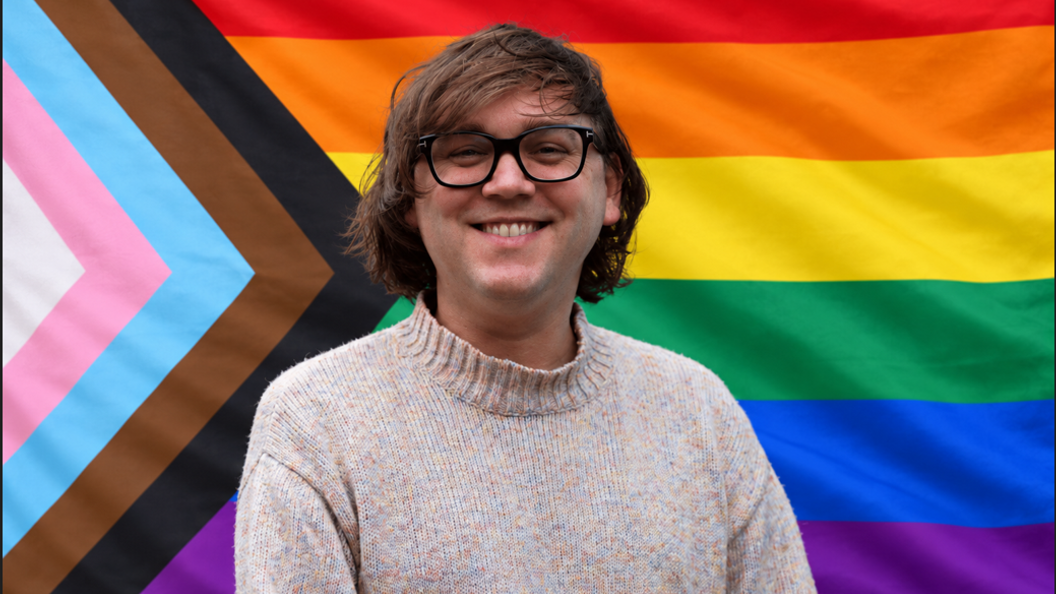
Oxford City Council has declared that “biological sex” and “sex at birth” have no agreed medical or scientific meaning, while promising to pursue gender self-identification as far as the law permits.
Last Monday, Labour, Green and Liberal Democrat councillors backed a motion, The EHRC Code of Practice and Trans Rights, reaffirming the council’s 2021 declaration that “trans women are women, trans men are men and non-binary people are non-binary”.
The motion states that “biological sex” and “sex at birth” are phrases which “don’t have agreed medical or scientific meanings and there is no agreed identification to substantiate them, other than self-identification”.
It instructs council-run leisure facilities to adopt an “inclusive approach”, and says services should support gender self-identification “to the maximum extent permissible by law”.
Councillors also agreed that trans and non-binary people have been subjected to a “manufactured moral panic” intended to “demonise their existence and undermine their rights”.
Other motions, including on pregnancy services, helping vulnerable residents through heatwaves and transport provision, were shelved to make time for the discussion on trans access to single-sex spaces.
The resolution was put forward by Green councillor Max Morris, a senior lecturer at Oxford Brookes University who identifies as non-binary. His university profile says he has hosted talks on challenging “homophobia, biphobia, transphobia, and sex work stigma”, and is active in his University and College Union branch and the university’s Palestine solidarity group.
Oxford’s earlier 2021 motion recommended pronouns in email signatures and unisex toilets in council buildings, as well as flying the transgender flag on International Trans Day of Visibility.
In July that year, Scarlet Blake, a man who identifies as trans and was formerly known as Alice Wang, murdered 30-year-old Jorge Martin Carreno. Months earlier, Blake had livestreamed the torture and killing of a cat. He was convicted of murder and animal cruelty in 2024, and sentenced to life imprisonment. There was no council endorsed remembrance ceremony for his victim or any reference to Blake’s crimes during the debate about letting men like him into women’s spaces.
Instead, Morris said that the EHRC’s guidance had left “trans-plus people” unsure whether they were safe in public spaces. He was particularly exercised about how men would know to use male facilities, and women female ones.
“The real issue here is the uncertainty for an already marginalised minority group, but also for local businesses, charities, public service providers including Oxford City Council,” he said. “How on earth are we supposed to navigate this when the guidance is so unclear?”
But council officials were forced to concede that Oxford’s listed buildings might not lend themselves to unisex changing villages and cubicles.
The council has pledged to work with local businesses and “trans rights” advocacy organisations to support the “rights, dignity and privacy” of trans and non-binary identifying residents.
Meanwhile, Susan Brown, the Labour leader of the city council, will write to the Minister for Women and Equalities demanding legislation to extend the rights and access to services of trans and non-binary people.
Alison Jenner, a women’s-rights campaigner who regularly visits Oxford city centre, said groups including Women’s Rights Network and Sex Matters would watch closely to ensure the council complies with the law.
“I don’t know whether this is simply the usual bluster from people trying to bully their way around the law,” she said.
“The Supreme Court explained clearly why quotas, spaces, prisons, communal accommodation and single-sex associations such as the Women’s Institute and Guides must be organised by sex, not the nebulous and undefinable concept of gender identity.”
Only members of the Independent Oxford Alliance declined to support the motion: two voted against and two abstained.
Independent Oxford Alliance councillor David Henwood said: “The law recognises that there are circumstances in which single-sex services can legitimately be provided.
“We should not pass a blanket council resolution that could undermine those carefully established provisions.”