I got a public apology for being cancelled — so why do I feel so sad?
After Scope dropped the choir Janet Murray leads from the London Marathon over her gender-critical views, it apologised, but the hurt remains
“They want you to blame me for what happened — and be angry at me, even though they’re the ones who’ve caused the harm.”
That’s what I said to choir members just days after Scope dropped us from singing at this year’s London Marathon — after two anonymous complaints about my “gender-critical” views.
Scope has now publicly apologised and acknowledged that its decision was wrong.
As corporate apologies go, it’s surprisingly apologetic.
Not every woman unfairly treated for stating biological reality gets that acknowledgement, however richly deserved, or is able to reach a satisfactory outcome in a legal dispute.
I’m both relieved and grateful, but I also feel an incredible sadness. No apology can undo the hurt or repair the relationships damaged along the way.
People talk about “cancellation” as though it’s a one-off incident, when it’s actually the start of a long and painful journey — with fresh hurt at every turn: the awkwardness, the silence, and the feeling that people wish you’d just “let it go” because your refusal to accept what happened makes them more uncomfortable than the injustice itself.
Before this happened, I honestly didn’t know what most of our singers thought about gender ideology. We’d never discussed it — and why would we? I’d founded a choir for fun, friendship, making music and supporting charity runners. Politics really wasn’t our thing.
When things did get political, I totally understood why most of our singers stepped back.
They hadn’t signed up for a public controversy. Some were worried about their careers. Having experienced the consequences of speaking openly about gender ideology myself — and paid the price — I could hardly dismiss those fears.
What hurt was the absence of private support.
Apart from one person, no choir member who didn’t take part in the legal action ever asked whether I was OK.
I was left feeling that some were angrier with me for challenging the decision, particularly for doing so publicly, than they were with the charity for making it.
Having worked in the media for more than 25 years, I knew public pressure would be needed to secure an apology. In the end, it took legal action too — something I’d hoped to avoid.
I understood why some people didn’t want to join the legal action. What I struggled with was the suggestion that challenging a charity was somehow wrong.
Being a charity does not put an organisation beyond accountability or exempt it from apologising when it gets things wrong. Scope did get this very wrong — they even said so themselves.
Feeling shunned by people you once regarded as friends is painful.
One member asked for the AV equipment she had donated to be returned because she didn’t want to be associated with someone suing a charity. I accepted her decision without question. But finding £650 to replace it was another practical consequence at a time when I could least afford it.
Eventually, I stopped trying to explain and accepted that trans activism had secured one victory. Whatever the outcome of the legal dispute, I felt I had become the problem for challenging what had happened to us.
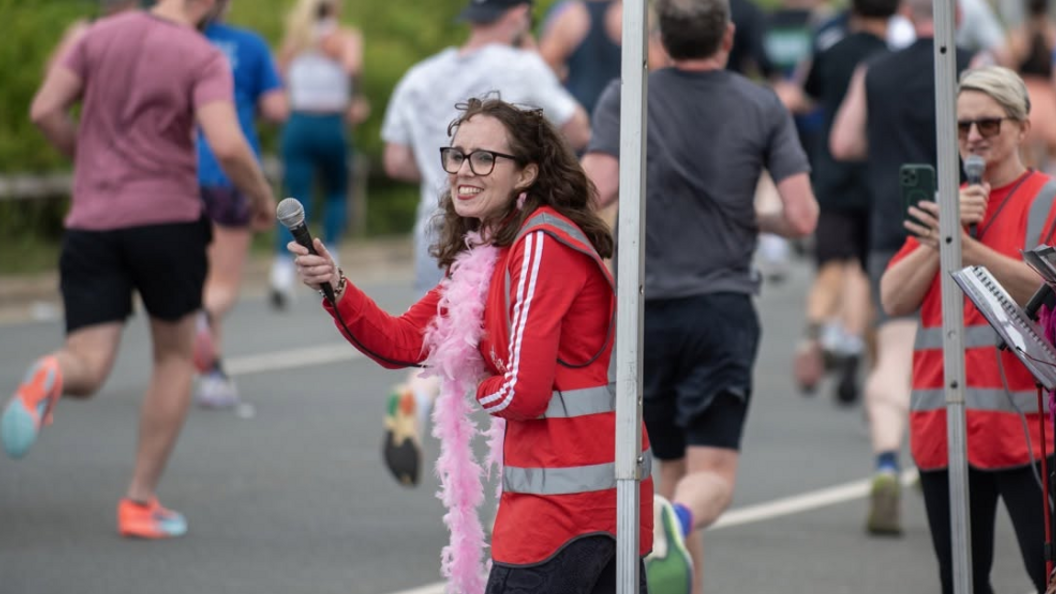
I was still the overenthusiastic choir leader who’d rewritten popular songs to make them running-themed and bought tiger masks, blow-up guitars and feather boas to make our performances fun.
But I’d shown them another side of me: the woman who couldn’t let an injustice go unchallenged. Those things should have been able to coexist.
When Scope published its apology this week, I shared it with the choir.
Part of me hoped it might open the door to a conversation. Perhaps even a message saying: “I’m glad it’s resolved. How are you?”
Nothing.
This is the part of cancellation an apology cannot necessarily reach. You can secure an acknowledgement that what happened was wrong. You can get the legal dispute resolved. And still be left with the silence.
Janet Murray is a freelance journalist and founder of [Un]Captured https://thisisuncaptured.com Support her work here.