
Defund the hug police
By picking on grandparents, Ireland’s women's sector avoids the hard questions about sexual violence
First published in The Critic: https://thecritic.co.uk/defund-the-hug-police/
The nanosecond a friend or acquaintance says hello, I brace for the inevitable: the irksome ritual of being pressed to their fleshy bosom or chest. As I submit, I wonder: what was wrong with a handshake? Must we clutch at one another like drunken apes?
I’m too polite to shove huggers away; it would be ungracious and unfriendly. So, despite prickling with disgust, I put up with it. Yet it seems this is a grave error. Last week, thanks to a short-lived We-Consent video campaign by Dublin Rape Crisis Centre (DRCC), I learned that apparently adults now need to obtain consent before leaning in for an embrace.
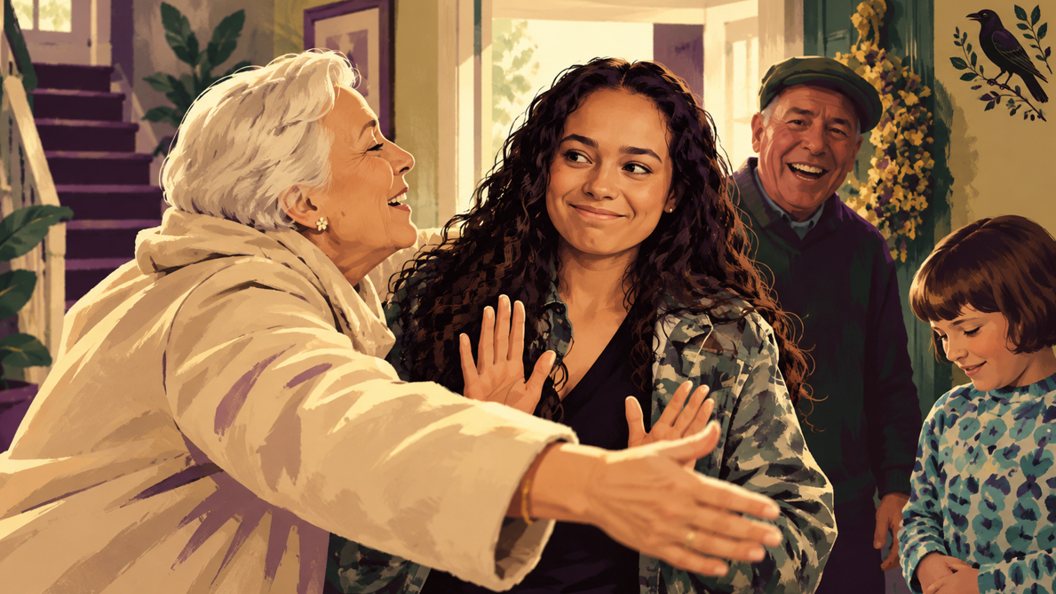
A much-mocked short film produced by DRCC as part of a government-funded campaign shows grandparents swooping in for a hug as the camera pans in on their granddaughter’s grimace. A strapline reads: “Not everyone wants a hug. Even from the people who love them. Awkward? Maybe. Important? Absolutely. We-Consent.ie is here to help.”
Teaching children to set boundaries is vital to keeping them safe. But the idea that stopping grandparents from embracing their grandchildren will reduce rape, or that the government has any right to police familial displays of affection, is bonkers. Predictably, the three short films prompted a spectacular backlash.
Ireland’s Justice Minister, Jim O’Callaghan, raged against the videos’ targeting of families on social media. He distanced the government from the wider, partly government-funded project, calling the campaign “inappropriate and demeaning to grandparents”. The film was taken offline following his intervention.
DRCC removed the videos but defended their intent. In a statement, the organisation said the campaign had been developed following workshops, and that the scenarios reflected experiences raised by participants: “We created three videos premised on the idea that boundaries should be respected from an early age and to respect others’ boundaries too.”
This superficial approach to serious problems is not confined to DRCC; it has become the norm among third-sector and statutory bodies. On sexual violence, We-Consent’s approach is less like fiddling while Rome burns than hosting an adult colouring session with non-toxic crayons while women’s bodily autonomy is under assault on every front.
Across the EU, police-recorded sexual-violence offences rose by 94 per cent and rape offences by 150 per cent between 2014 and 2024. Separately, the Law Society found that Ireland’s average recorded sexual-offence rate between 2019 and 2023 was 43 per cent above the EU average. This could reflect a change in reporting, but some commentators have not unreasonably suggested that the influx of single young men might be a factor.
It would be naïve to pretend immigration policies have not affected women’s freedom and safety. At the very least, giving the public accurate statistics seems fundamental to maintaining a functioning social contract. But that has not happened.
There is similarly little appetite for action against pornography. Watching addictive content in which women are routinely strangled and sodomised undermines girls’ and boys’ understanding of consent and boundaries. This is not hypothetical scaremongering: evidence shows that children form their adult sexual scripts from such content. But it tends to be ignored because policy wonks neither want to confront their own grubby little secrets nor risk the anger of pornography’s powerful defenders.
So, instead of tackling the multibillion-dollar pornography industry or asking tough questions about the attitudes of men currently being housed in Ireland who come from countries where women have few rights, DRCC reaches for the softest of targets: grandparents.
Some of the reaction to the video has veered into paranoid fantasy, with claims that the mixed-race child featured in it is part of a government plot to soften the public up for a minority-white future in Ireland. Others say the campaign is an attempt by covert communists to undermine the family. The truth is undoubtedly more prosaic.
Rape crisis centres were once run by formidable second-wave feminists, many of them survivors. Now reliant on government funding, these organisations have been defanged, becoming service providers rather than advocates for women. The radical feminist willingness to name men as the perpetrators of rape has vanished. You will barely hear “male violence” from professionals in what was once called the women’s sector. First came “violence against women and girls”, to avoid alienating men; now men’s crimes against women and other men are euphemistically labelled “gender-based violence”. Mentioning the sex of the offenders suddenly seems a bit rude. It certainly doesn’t look good on funding application forms.
But funding cannot be the only reason. There is also laziness and ennui, and this is true of all the services on which we rely. Why should the police track down criminal gangs, risking reprisals and taking on hard, sustained work, when they can score an easy win by arresting someone over tweets? Why should the tax office target major fraudsters when a small business that has messed up its accounts is less likely to fight back? Why dig into the causes of sexual violence, prompting tough political conversations, when you can sell consent as a magic word to dispel rape and have a pop at grandparents?
Families hugging are not responsible for the surge in sexual violence in Ireland. The fury unleashed by DRCC’s video shows a public tired of being lied to by a professional class of craven, lazy parasites. Those paid with our taxes should listen when we say No. They should respect our boundaries.