
Cornwall Council calls for clarity on conversion bill
Councillors voted to press ministers for clearer safeguards in the draft bill, warning that parents, professionals and local authorities could be left unsure of their responsibilities
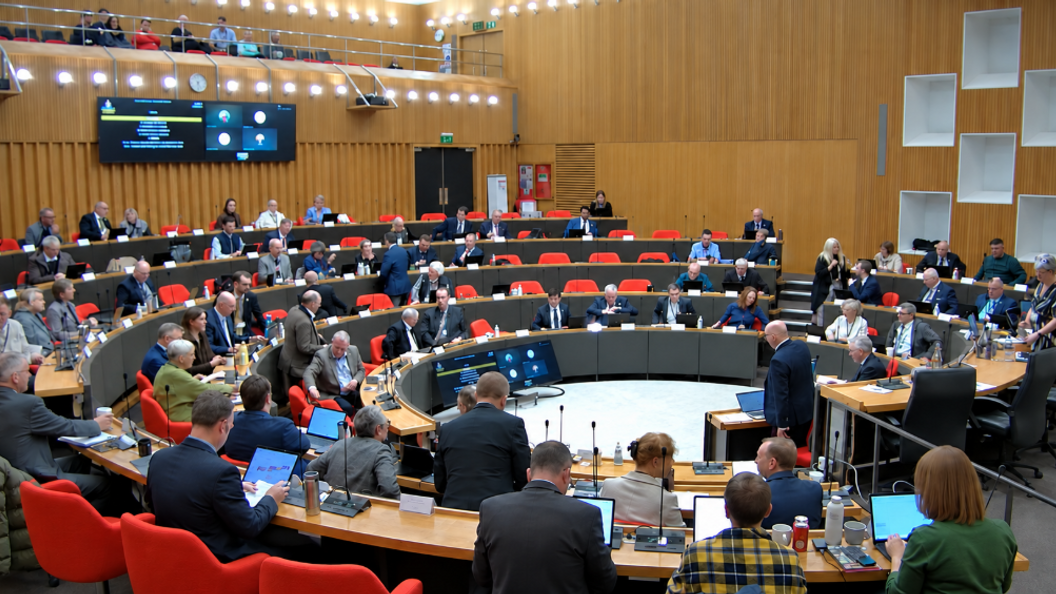
Cornwall Council has made a first-of-its-kind formal appeal to ministers to clarify the draft Conversion Practices Bill, warning that parents and professionals could be left uncertain about their responsibilities.
The Draft Conversion Practices Bill – Safeguarding, Rights and Local Authority Preparedness motion passed on 24th November by 44 votes to 23, with 11 abstentions. It asks council leader Leigh Frost to write to the responsible minister and Cornwall’s position to be sent to the parliamentary Joint Committee. The motion says lawful, proportionate safeguarding and professional practice must not be inadvertently criminalised.
The vote marks a striking change from July, when councillors rejected a motion to keep children in Cornwall’s care off the PATHWAYS puberty-blocker trial. This time, they backed a call to scrutinise legislation with direct consequences for families and council services.
The motion followed an officer briefing which said the council’s existing safeguarding arrangements already allow it to act proportionately when a child is at risk. But the briefing also identified unanswered questions about protection orders, legal thresholds, operational responsibilities, professional guidance and the bill’s potential to eat into council budgets.
The motion was proposed by independent councillor Rowland O’Connor after a local woman raised concerns about parental responsibility and the state’s role in family life. O’Connor said the motion was not intended to settle the wider debate, but to ensure legislation “protects vulnerable people, respects fundamental rights and gives local authorities clear, workable responsibilities”.
His seconder, Conservative councillor Connor Donnithorne, cited evidence Baroness Cass had given the previous week. She warned of a chilling effect on psychotherapy and the risk of concerned parents being criminalised. Donnithorne added that vague definitions of abuse or distress left no meaningful safeguards.
The debate’s first skirmish came over amendments. Labour councillor Drew Creek’s amendment, submitted late the previous night, called for Cornwall Council to support a full ban on conversion practices. Creek began with a speech about his proudest moment as Mayor of Newquay: leading a Cornwall Pride march. Eventually, he turned to the motion, arguing that it said too little about “the community it represents”.
He invoked “nothing about us without us”, saying the council should hear from survivors before writing to ministers. Good luck finding them, Drew: as councillor Juliet Line later pointed out, the CPS had been unable to find evidence of recent or current practices. Creek ended by saying the council should make clear “whose side we’re on”.
Independent councillor Dulcie Tudor said he had “just said the quiet part out loud”. The motion, she said, was “not about sides”; Creek had politicised it. Liberal Democrat Thalia Marrington warned that fear of being seen as anti-trans could distract councillors from examining the bill’s details. Reform councillor Paul Ashton said Creek’s amendment was political and moved the debate away from the motion’s purpose.
Line called the motion “extremely reasonable, measured and responsible” and said it was irresponsible to turn scrutiny of its practical effects into a culture war. Creek’s amendment was defeated by 43 votes to 25, with eight abstentions. The motion itself passed.
Before Parliament creates new offences or gives councils new powers, Cornwall’s message is simple: the Government must explain how the proposed law will work.