
Brothers barred from sisterhood
The party is applying the Supreme Court’s definition of sex to internal elections, prompting boycott threats
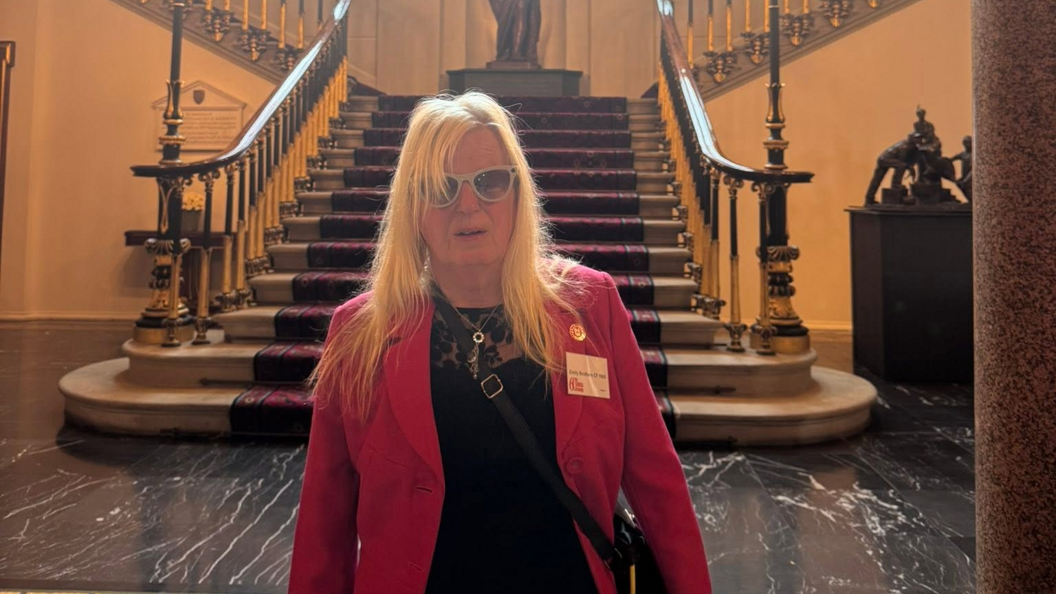
The Labour Party is finally applying the Equality Act to its own internal processes after it prevented a man from applying to positions reserved for women.
This week, it emerged that Emily Brothers, a male former parliamentary candidate who identifies as a woman, had been barred from contesting women’s reserved seats in the Southern region’s National Policy Forum election.
Brothers was also excluded as a delegate from the main sessions of Labour’s women’s conference. He stood for Parliament in Sutton and Cheam in 2015, for the Greater London Assembly in 2016, and in Isle of Wight East at the last general election.
The decision has caused outrage among some Labour activists. Kerry Postlewhite, a newly elected member of the National Executive Committee, said:
“We object to this action and view Emily’s exclusion from NPF reserved seats for women as unfair and contrary to the values of our movement.
“This decision is needlessly disadvantaging Emily, who is already breaking down enough barriers. What is the purpose? Surely, a more inclusive culture is what party members deserve.”
Labour’s own guidance states that, following the Supreme Court’s 2025 ruling, references to “women” in party rules must be interpreted by biological sex. It says only biological women can seek nomination or election to women’s officer posts, all-women shortlists and party delegate places reserved for women.
The party says there are also non-reserved National Policy Forum seats open to all eligible members.
Labour Women’s Declaration told TERF Times that trans-identified people were no more “banned” from party conferences and internal structures than adults were excluded from children’s sports teams.
“Our party’s (correct) policy is that only women are eligible for election to fill vacancies reserved to advance women’s participation such as women’s officers, women’s conference delegates or where there are quotas or lists specifying for example no less than 50% participation.”
The annual women’s conference is traditionally held on the eve of Labour’s main party conference and aims to encourage women’s involvement in policymaking. While trans-identifying men will be able to attend fringe meetings, receptions and exhibition spaces, they are excluded from the main hall, policy debates, votes and elections to the National Women’s Committee.
Four unions have confirmed that they will boycott the conference in protest. Unison, Usdaw, ASLEF and the Musicians’ Union will not send delegations in response to the exclusion of trans-identifying men.
The unions’ withdrawal is significant. Affiliated unions pay into the party’s coffers, while several have also campaigned for Labour to change the law following the Supreme Court judgment on the meaning of sex.
The group said Labour’s women’s structures should be strengthened, rather than abandoned by unions boycotting the conference or by MPs seeking to rewrite the Equality Act to include males in the definition of women.
“Unlike some other parties, Labour does at least hold Women’s Conferences, and has policies and structures to advance women’s participation. These need strengthening, not undermining by performative conference boycotts or damaging (and doomed!) attempts by a few outlier MPs to persuade the voting public to support revising the Equality Act to include males in the definition of women.”
For the first time, LWD, which was refused formal participation in previous years, will host a women’s conference stall and a fringe meeting with its sister group, Lesbian Labour. The event, Invisible Women: Lesbians and Detransitioners, will take place on 26 September. LWD will also have stands at the women’s conference and Labour’s main conference in Liverpool.
Labour has a long record of allowing men to represent women. In 2017, Lily Madigan was appointed women’s officer in Rochester and Strood Labour Party, a move described by female Labour supporters as a “monstrous insult”. The following year, Heather Peto was elected women’s officer for Nottingham South Labour Party and subsequently joined the Jo Cox Women in Leadership Programme.
Brothers’ exclusion is therefore a victory for Labour women, but the party’s dispute with trans activists is far from over. Earlier this year, Steph Richards, who served as Portsmouth Labour’s women’s officer from 2021 to 2024, announced plans to sue the party for discrimination after it confirmed that men could no longer stand for women’s officer roles.
Richards’ quixotic attempt to overturn the Supreme Court’s ruling demonstrates the increasing divorce from reality among Labour trans activists, and from their own party’s policies.
It was, after all, Labour that passed the Equality Act in April 2010, during Gordon Brown’s final months in Downing Street.