Baroness batters bill
Baroness Cass delivers second blow to Conversion Practices bill
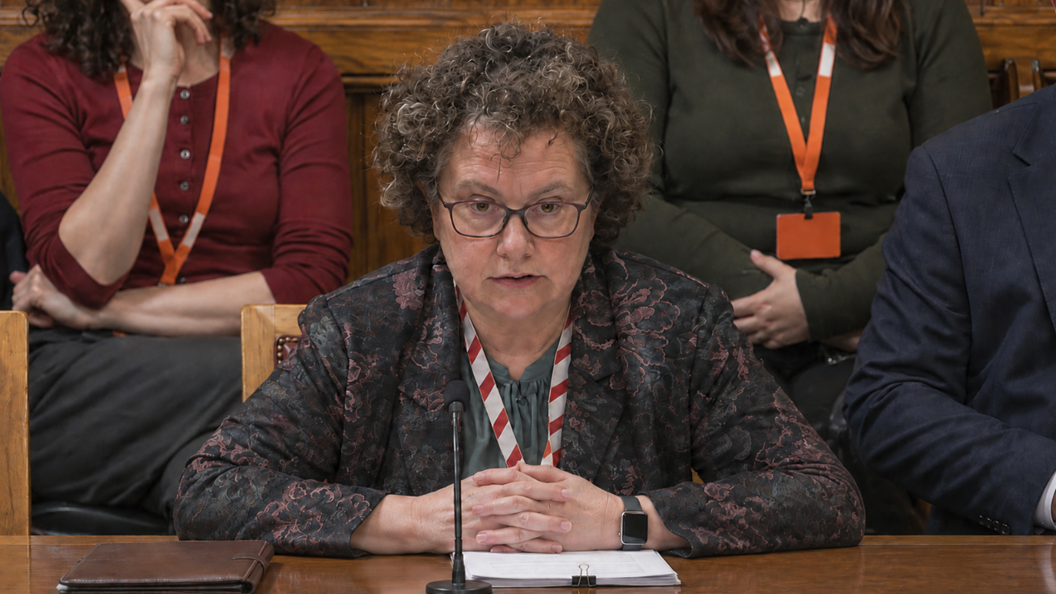
Yesterday, Baroness Hilary Cass battered Labour’s draft conversion practices Bill before the joint committee. This morning, she came back to kick it while it was down, telling BBC Radio 4’s Today programme that while a ban on abusive practices was “desirable”, the Bill was not yet workable.
When ministers unveiled the Bill in June, Cass was quoted in the Government’s press release praising its “clearer definition” of conversion practices. But she told the committee she had offered those supportive words “without seeing the Bill as drafted”. It arrived an hour before deadline, just 15 minutes before she was due to speak. She reflected on her hasty endorsement: “Maybe I shouldn’t have done that”
Cass now fears the Bill could expose doctors and therapists to vexatious complaints for carrying out appropriate therapy. In this highly contested area, she warned, a patient upset by a difficult conversation might complain that a professional had fallen below the required standard.
Notably, the 2017 Memorandum of Understanding on Conversion Therapy, part of a campaign chaired by Igi Moon, helped shape professional guidance across UK therapy. Moon is a woman who identifies as non-binary and a fierce proponent of the bill. MOU signatories include the BACP, the British Psychological Society, NHS England and the Royal College of Psychiatrists, and it describes conversion therapy relating to sexual orientation or gender identity as unethical and potentially harmful.
“The chilling effect isn’t theoretical,” Cass reflected. Clinicians could be deterred from asking questions or exploring what might lie behind a child’s gender distress. Parents, too, could be caught up in the law: Cass warned that refusing to change a child’s pronouns, or withholding money for a breast binder or hormones, could potentially trigger a complaint or prosecution. She said she did not believe that was the Government’s intention, but the Bill’s wording created the risk.
The draft law applies in England and Wales, and a conviction could bring an unlimited fine or up to five years in prison. Ministers say it sets a high threshold for criminality and is not intended to outlaw open conversations, questioning or legitimate healthcare. Critics say harm isn’t defined and judges would have to decide on a case-by-case basis, leading to huge backlog in the courts with parents and professional left in legal limbo for months or years.
There is some dispute over how much Cass had seen before giving her original endorsement. She told the committee she had little time to read the draft; a Government source told Sky News she had been briefed on its details ten days before publication and sent a full copy before providing the press quote.
Cass has not abandoned the idea of a ban. Rather she says she wants legislation that protects people from abuse without “accidentally entrap[ping] those who you don’t want to”.
The Government says it welcomes her evidence and will consider the committee’s findings as it works to “get this ban right”. But Cass’s intervention is a serious setback for ministers’ claim that the Bill’s safeguards are already fit for purpose.