
“Anti-science fantasists”: Lib Dem MP smears puberty blocker trial critics
Lib Dem Health spokesperson Helen Morgan voted against parliamentary scrutiny of the Pathways trial, claiming it would set a “dangerous precedent”
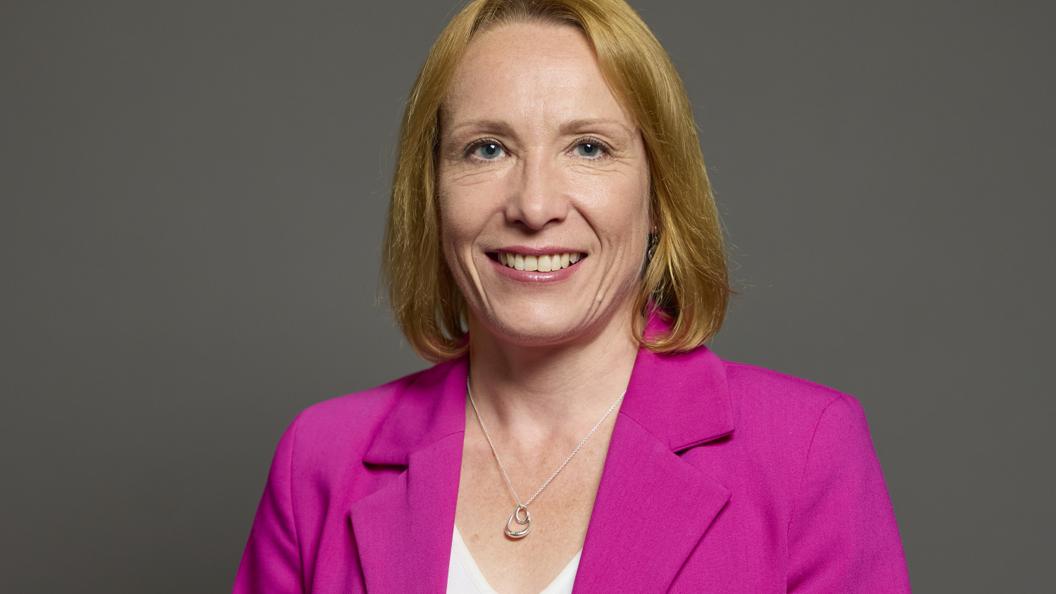
The Liberal Democrats’ health spokesperson has compared critics of the Pathways puberty blocker trial to vaccine deniers and anti-science fantasists.
Helen Morgan MP made the comments during the Commons debate on the Health Bill, before voting against a Conservative amendment requiring both Houses of Parliament to approve any clinical trial using puberty blockers to treat gender dysphoria.
The amendment was defeated by 357 votes to 108. Morgan joined Labour and the Greens in the No lobby, alongside most Liberal Democrats, although Lib Dem MP Angus MacDonald voted for the measure.
Morgan said the proposed measure would “politicise a drug trial in a way that is unprecedented and inappropriate”.
“Allowing politicians to override objective ethical and medical safeguards would be a dangerous precedent to set, particularly in a world where vaccine deniers and anti-science fantasists have a clear route to getting their hands on the levers of power,” she told MPs.
The astonishing attack raises renewed questions over the Liberal Democrats’ stance on treating gender-confused young people. The party has steadfastly refused to state a formal position on whether it accepts the Cass Review, while consistently calling for “evidence-based medicine”.
In her previous interventions on ‘trans healthcare’, Morgan had attempted to tread a line between trans activist demands and clinical best practice. In a Westminster Hall debate last year she gave a speech that advocated for treatment “largely based on talking therapies” while at the same time criticising the cap on children participating in the puberty blockers trial.
In Tuesday’s debate, Morgan did not address numerous, specific concerns about the trial from clinicians, scientists, LGB groups, and regulators. These include the UK medicines regulator, the MHRA, which in February raised concerns “directly related to the wellbeing of children and young people” participating in the trial, leading to a pause in February this year.
Other critics include Professor Jacob George, chief medical and scientific officer at the MHRA, who warned about the sterilising effects when puberty blockers are, almost inevitably, followed by cross-sex hormones. In March he was “excused” from any involvement in the trial after historic social media posts emerged in which he stated that sex was “basic biological fact” and praised JK Rowling’s position on the issue. More than 100 healthcare professionals subsequently signed a letter calling his removal “legally indefensible” and demanding his reinstatement.
The Pathways trial has been mired in controversy ever since it was first proposed by Dr Hilary (now Baroness) Cass in her review of NHS England’s gender identity services for children and young people. In July, a judicial review brought by James Esses, Keira Bell and Bayswater Support Group not only failed to stop the trial, but set a seismic new precedent for paediatric medicine.
Previously, medical experiments involving children had to meet a more stringent threshold than for adults, with trials required to demonstrate an “expected benefit” for participants. The university conducting the trial, King’s College, London, could only commit to “a reasonable prospect of benefit”. Despite this, the High Court ruled that the trial could proceed.
LGB campaigners have been particularly vocal in their opposition to what they see as an unproven medical experiment on young people who are same-sex attracted. These include LGB Alliance, which led the successful campaign to ban puberty blockers in the NHS and private practice.
Responding to Helen Morgan’s comments, the CEO of LGB Alliance, Kate Barker, said:
“The puberty blockers trial isn’t just poisoning a group of vulnerable children; as we saw today, it’s also corrupting political discourse. It provides a fig leaf which enables ministers to claim they are following ‘evidence-based and clinically appropriate’ approaches – even though the Cass Review was explicit about the ‘remarkably weak’ and low-quality evidence for puberty blockers’ efficacy.
“It’s been seven years since Tavistock whistleblowers said they felt like they were engaged in gay conversion therapy,” Barker continued. “That’s seven years when politicians could and should have stopped this historic medical scandal – one that disproportionately affects young people who’d otherwise grow up happily lesbian or gay.”